Choosing the Right Ceramic Weld Backing for Your Specific Welding Needs
Understanding Ceramic Weld Backing
What is Ceramic Weld Backing?
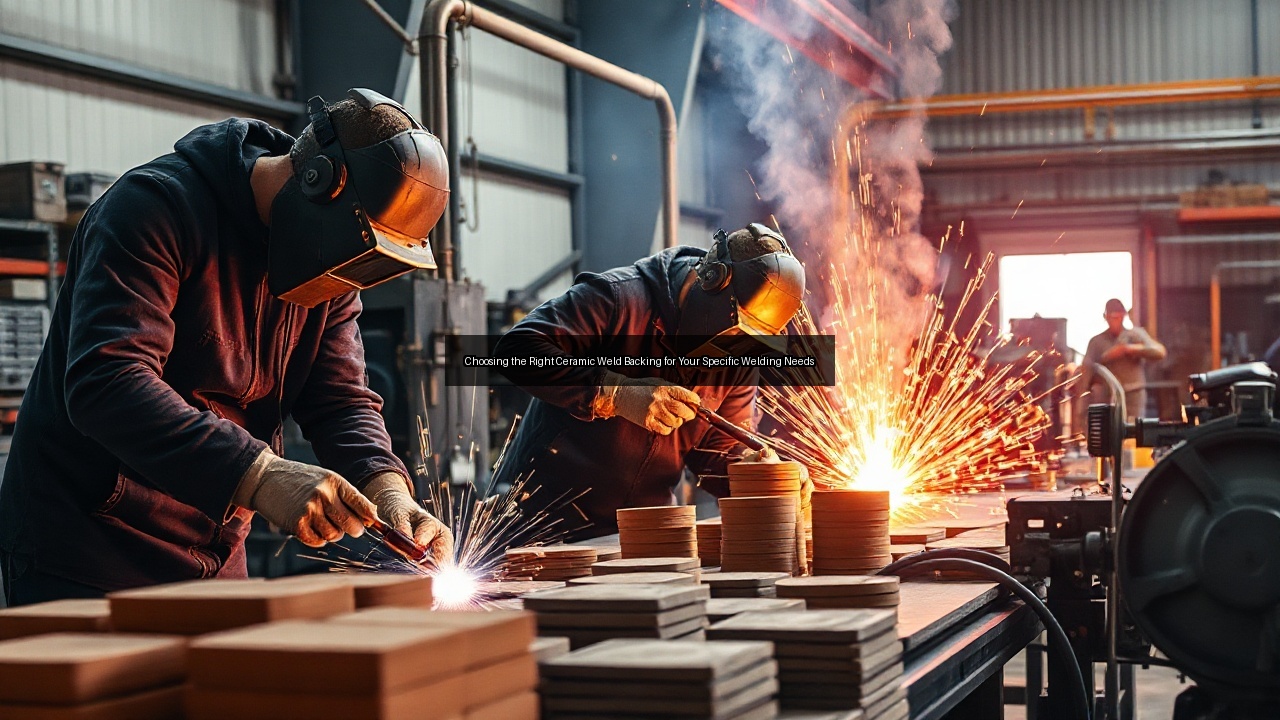
Ceramic weld backing supports the molten weld pool from the reverse side during fusion processes. Welders position these rigid or flexible ceramics behind the joint to contain the puddle and shape the root bead without excessive penetration. Manufacturers form the material from high-temperature clay compounds mixed with fibers that resist cracking under intense heat. The backing prevents oxygen from reaching the underside, which reduces oxidation and improves weld integrity on pipes, plates, and structural components. Users often combine ceramic backing with argon shielding gas in TIG setups to maintain clean results. This approach replaces traditional metal backing bars that require removal after welding and leaves behind unwanted residue.
Benefits of Using Ceramic Backing in Welding
Ceramic backing delivers consistent root reinforcement while allowing single-sided access on complex assemblies. Welders achieve flatter, more uniform beads that require less grinding afterward. The material withstands temperatures above 2000 degrees Fahrenheit without melting or contaminating the weld metal. It also minimizes the need for welding rod adjustments during root passes because the backing controls heat flow. Operators notice fewer defects such as lack of fusion or porosity when they apply ceramic weld backing correctly. In addition, the lightweight strips and tapes speed up setup compared with heavy steel fixtures, cutting overall project time on fabrication floors.
Types of Ceramic Weld Backing Available
Suppliers offer ceramic weld backing in rigid strips, flexible tapes, and custom-molded shapes. Rigid strips suit flat or gently curved joints where maximum support is essential. Flexible tapes wrap around pipes and irregular surfaces, conforming tightly to maintain contact. Some products incorporate fiber reinforcement for extra durability during multi-pass welds. Others feature adhesive backing that holds the ceramic tile in place until the welder completes the joint. Specialty versions include grooves that guide the welding rod or channels that vent shielding gas. Each type matches specific joint geometries and metal thicknesses encountered in daily welding operations.
Selecting the Right Ceramic Weld Backing for Your Project
Factors to Consider When Choosing a Ceramic Backing
Joint configuration, base metal thickness, and welding position dictate the proper ceramic backing choice. Flat groove joints tolerate wider strips, while vertical or overhead positions benefit from narrower tapes that stay secure. Welders evaluate the required root opening and bevel angle to ensure the backing fits without gaps. Heat input from the process also matters; high-amperage welds need thicker ceramics to avoid burn-through. Compatibility with the shielding gas, whether argon or mixed, prevents unwanted reactions at the interface. Cost, availability, and ease of removal after welding further influence the final selection for each job.
Comparing Ceramic Backing Strips and Tapes
Ceramic backing strips provide rigid support ideal for long, straight seams on plate or structural steel. They resist movement during welding and produce straight root beads. Ceramic backing tape offers greater flexibility for circumferential welds on vessels and piping. Tape conforms to radii as small as four inches without fracturing. Strips usually cost less per linear foot yet require more precise alignment. Tape costs more but reduces fit-up time because it adheres directly to the metal surface. Many welders keep both options on hand to cover the range of joints found in fabrication shops.
Evaluating Thickness and Size Options
Backing thickness determines how much heat the ceramic can absorb before failure. Standard options range from 1/8 inch for light-gauge metal to 1/2 inch for heavy plate. Widths vary from 1/2 inch to 2 inches to match different bevel preparations. Longer strips reduce splice points on extended welds. Welders match the backing size to the expected weld bead width so the ceramic fully supports the molten pool. Oversized pieces waste material while undersized ones allow melt-through. Proper sizing also ensures the wheel or grinder used for cleanup encounters minimal ceramic residue afterward.
Applications of Ceramic Weld Backing
Ceramic Weld Backing in TIG Welding
TIG welders rely on ceramic weld backing to produce high-purity root passes on stainless steel and exotic alloys. The backing maintains the argon shield from the torch while blocking atmospheric oxygen on the reverse side. Operators set lower amperage because the ceramic reflects heat back into the joint, improving arc stability. This technique works well on thin-wall tubing where full penetration must occur without excessive buildup. Many shops pair ceramic backing with pulsed TIG settings to control heat and achieve consistent silver-colored beads that need no post-weld cleaning inside the pipe.
Using Ceramic Backing with Different Metals
Carbon steel, stainless steel, aluminum, and nickel alloys all accept ceramic weld backing effectively. On aluminum, the backing prevents excessive sag of the molten pool while allowing the welder to focus on filler addition. Stainless applications benefit from reduced sugaring because the ceramic limits oxygen exposure. For dissimilar metal joins, the backing stabilizes the more fluid puddle of one alloy against the other. Welders simply select the thickness that matches the most heat-sensitive metal in the combination, ensuring uniform results across the entire joint.
Applications in Industrial and Commercial Welding
Pressure vessel fabricators use ceramic weld backing on longitudinal seams to meet code requirements for full penetration. Shipyards apply the material to hull stiffeners where access from both sides remains limited. Commercial HVAC contractors rely on ceramic backing tape for ductwork that must remain leak-free. Power generation plants specify these products for boiler tube repairs because the backing produces smooth interiors that resist flow erosion. Each industry selects the format that balances speed, quality, and compliance with applicable welding standards.
Top Brands and Products in Ceramic Weld Backing
ESAB's Ceramic Weld Backing Solutions
ESAB manufactures ceramic weld backing products designed for both manual and mechanized welding. Their strips feature uniform density that resists spatter adhesion during high-deposition processes. ESAB also supplies pre-cut lengths that fit standard pipe diameters, reducing waste on repetitive joints. Welders appreciate the consistent performance across multiple heats because the ceramics maintain structural integrity without crumbling. These solutions integrate smoothly with ESAB power sources and torches, allowing shops to standardize on one supplier for consumables and equipment.
Gullco International: Innovative Ceramic Options
Gullco International produces flexible ceramic backing tape that adheres quickly and withstands repeated passes. Their products include variants reinforced with high-strength fiber for demanding structural applications. Gullco International also offers custom widths that match specialized bevel preparations used in heavy equipment manufacturing. Fabricators value the tape’s low residue profile, which simplifies cleanup after the weld cools. The company supports its ceramic lines with technical guidance on joint design and parameter selection, helping welders optimize results on critical projects.
Comparing Products: Performance and Cost
Performance differences appear in heat resistance, flexibility, and ease of removal. ESAB rigid strips excel on flat work where cost per foot remains low. Gullco International tape shines on curved surfaces and delivers faster setup. Both brands offer comparable thickness ranges, yet Gullco’s fiber-reinforced versions handle higher amperage without cracking. Shops compare total project cost by factoring setup time, defect rates, and post-weld grinding. Many fabricators test samples from each supplier on actual joints before committing to bulk purchases, ensuring the chosen ceramic weld backing meets production demands.
Best Practices for Using Ceramic Weld Backing
Proper Installation Techniques
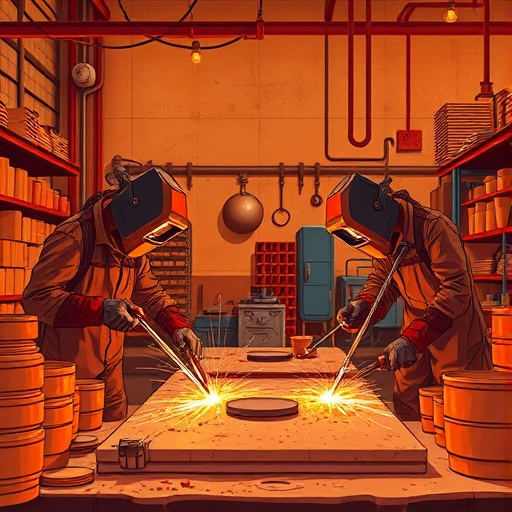
Welders align the ceramic backing flush against the joint root before tacking. They apply light pressure to eliminate air gaps that could allow melt-through. On vertical joints, temporary clamps or adhesive keep the backing secure during root pass execution. Operators position the ceramic so its centerline matches the weld axis, ensuring even support across the entire bead width. Proper alignment also prevents the backing from shifting when the welding rod adds filler metal. Checking fit-up with a straightedge or feeler gauge catches misalignment before welding begins.
Maintenance and Care for Ceramic Backing
Store unused ceramic weld backing in dry locations to prevent moisture absorption that causes cracking under heat. Inspect strips and tapes for chips or fractures before each use. Damaged sections should be cut away rather than taped over, because weak spots fail during welding. After use, remove residual ceramic with a wire wheel or grinding disc before the next joint. Reusable rigid pieces can serve multiple welds if cleaned thoroughly between applications. Proper care extends product life and maintains consistent weld quality across shifts.
Common Mistakes to Avoid When Welding with Ceramics
Overheating the joint melts the ceramic and contaminates the weld pool with inclusions. Welders prevent this error by reducing amperage or travel speed when switching to thicker backing. Leaving gaps between backing sections allows the puddle to escape and creates incomplete root fusion. Another frequent issue occurs when operators ignore the backing’s thermal mass and apply the same parameters used with metal backing bars. Testing parameters on scrap metal with the chosen ceramic weld backing avoids these problems on production parts and ensures reliable results every time.