Friction Stir Welding vs Traditional Methods in Pipeline Girth Applications
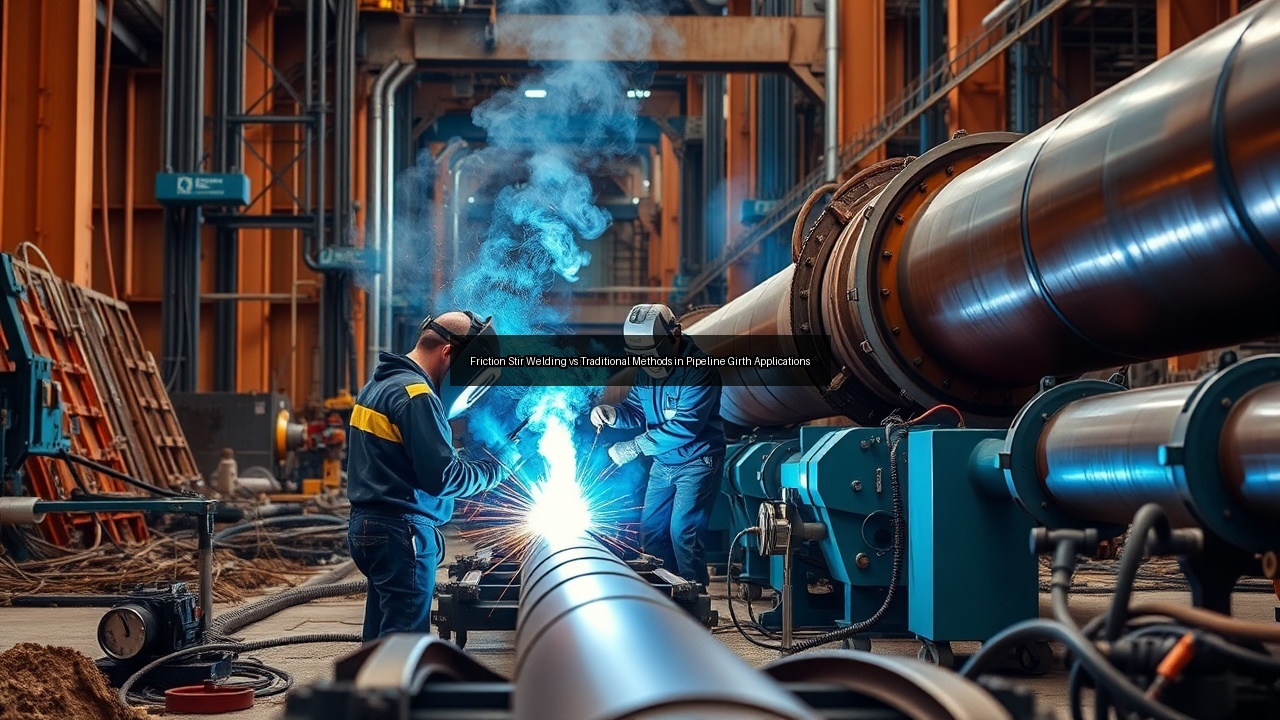
Overview of Pipeline Girth Welding Methods
Introduction to Girth Welding
Girth welding involves the joining of two sections of pipe along their circular edges, forming continuous joints essential in pipeline construction. This method is critical for ensuring that pipelines can transport liquids and gases over long distances without compromising integrity. The process must create strong, reliable welds that can withstand the pressures and stresses generated during operation. Given the vital role of girth welds in maintaining pipeline functionality, understanding the various welding methods is paramount for engineers and fabricators alike.
Importance of Weld Quality in Pipelines
Weld quality directly impacts the overall strength and longevity of pipelines. High-quality welds prevent leaks, which can lead to environmental hazards and costly repairs. In pipeline girth welding, weld integrity is crucial, as failures can result in catastrophic incidents. Factors such as the material composition, welding technique, and environmental conditions influence weld quality. Therefore, rigorous quality assurance protocols, including welding inspection and non-destructive testing, are essential to ensure that each girth weld meets industry standards and regulatory requirements.
Comparative Analysis of Welding Methods
Several welding methods exist for pipeline girth applications, each with its unique strengths and weaknesses. Traditional techniques, such as Shielded Metal Arc Welding (SMAW) and Gas Tungsten Arc Welding (GTAW), have been widely used but present challenges in terms of heat input and distortion. In contrast, newer techniques like Friction Stir Welding (FSW) offer advantages like reduced thermal distortion and improved mechanical properties. This comparative analysis highlights the need for a thorough understanding of each method's capabilities to choose the most effective approach for specific pipeline projects.
Friction Stir Welding in Pipeline Applications
Principles of Friction Stir Welding
Friction Stir Welding is a solid-state welding process that utilizes mechanical friction to generate heat, allowing the materials to be joined without reaching their melting points. The technique involves a rotating tool that stirs the materials at the joint, leading to a plasticized state that facilitates bonding. This process is particularly beneficial for welding aluminum and stainless steel, which are common in pipeline construction. FSW's unique approach minimizes issues related to thermal distortion, making it an attractive alternative for girth welds in pipelines.
Advantages of Friction Stir Welding
Friction Stir Welding offers multiple advantages over traditional methods in pipeline girth welding. First, it produces high-quality welds with superior mechanical properties, contributing to the overall strength of the pipeline. Second, the process generates minimal heat-affected zones, reducing the risk of warping or distortion. Additionally, FSW is environmentally friendly, as it does not require filler materials and generates less waste. The ability to weld dissimilar materials also opens up new possibilities for pipeline fabrication, enhancing the versatility of FSW in various applications.
Applications in Pipeline Girth Welding
Friction Stir Welding finds extensive application in pipeline girth welding, particularly in modern projects that prioritize efficiency and sustainability. Industries such as oil and gas, water distribution, and renewable energy increasingly adopt FSW due to its ability to produce robust joints suitable for high-pressure environments. The process is ideal for welding thick sections of pipe, which often pose challenges for traditional methods. As the demand for efficient pipeline construction rises, FSW stands out as a forward-thinking solution that meets the unique challenges of today’s engineering needs.
Traditional Welding Methods: Strengths and Limitations
Overview of Traditional Welding Techniques
Traditional welding methods, including Shielded Metal Arc Welding (SMAW), Gas Metal Arc Welding (GMAW), and Gas Tungsten Arc Welding (GTAW), have long been the backbone of pipeline girth welding. These techniques offer the benefit of versatility and have been refined over decades, making them reliable choices for many applications. Each method has its specific use cases, depending on factors such as material type, wall thickness, and environmental conditions. However, traditional methods also come with limitations that can impact the quality of welds in pipeline construction.
Weld Quality and Strength Considerations
The strength of welds produced by traditional methods can vary significantly based on the welder's skill and technique. Inconsistent heat input often leads to variations in the weld quality, affecting the pipeline's overall integrity. Issues such as porosity, cracking, and incomplete fusion can arise, necessitating rigorous weld inspection protocols to identify and rectify potential problems. Ensuring weldability and maintaining high-quality standards is crucial, as any defects can compromise the pipeline's function and safety, resulting in costly repairs and potential environmental impacts.
Challenges with Corrosion and Inspection
Corrosion poses a significant challenge for traditional pipeline welding methods. The heat generated during welding can alter the microstructure of the welded material, making it more susceptible to corrosion over time. This issue necessitates ongoing monitoring and maintenance, as well as comprehensive non-destructive testing to assess the condition of girth welds. Techniques like ultrasonic inspection help detect flaws that may not be visible on the surface, ensuring that any issues are addressed before they escalate. This proactive approach is vital for maintaining the longevity and safety of pipelines in the face of corrosive environments.
Welding Inspection and Quality Assurance
Role of Non-Destructive Testing
Welding inspection plays a crucial role in ensuring the reliability and safety of pipeline girth welds. Non-destructive testing (NDT) methods are essential for evaluating weld quality without damaging the material. Techniques such as ultrasonic testing, radiographic inspection, and magnetic particle testing provide insights into weld integrity, enabling engineers to identify defects early in the pipeline construction process. Regular NDT ensures that welds meet specified standards and helps to prevent costly failures down the line, safeguarding both the environment and public safety.
Ultrasonic Testing in Weld Inspection
Ultrasonic testing (UT) has become a standard practice in girth weld procedure the inspection of pipeline girth welds. This method employs high-frequency sound waves to detect internal flaws and assess the thickness of the welded material. UT offers several advantages, including its ability to provide precise measurements and detect defects that might escape visual inspection. The depth and nature of the flaws can be evaluated, allowing for informed decisions about the need for repairs or further inspections. This level of detail is crucial for maintaining the structural integrity of pipelines under various operational conditions.
Ensuring Weldability and Temperature Control
Ensuring weldability involves careful consideration of factors such as material selection, joint design, and temperature control during the welding process. Maintaining the correct temperature is essential for achieving optimal weld quality, as excessive heat can lead to issues like distortion or weakened joints. Both traditional and modern methods require strict adherence to guidelines to ensure that girth welds meet industry standards. Proper training for welders and ongoing quality assurance measures are vital in achieving the desired results, ultimately impacting the performance and durability of pipeline systems.