The Best Brands for Automatic Lubrication Solutions in 2023
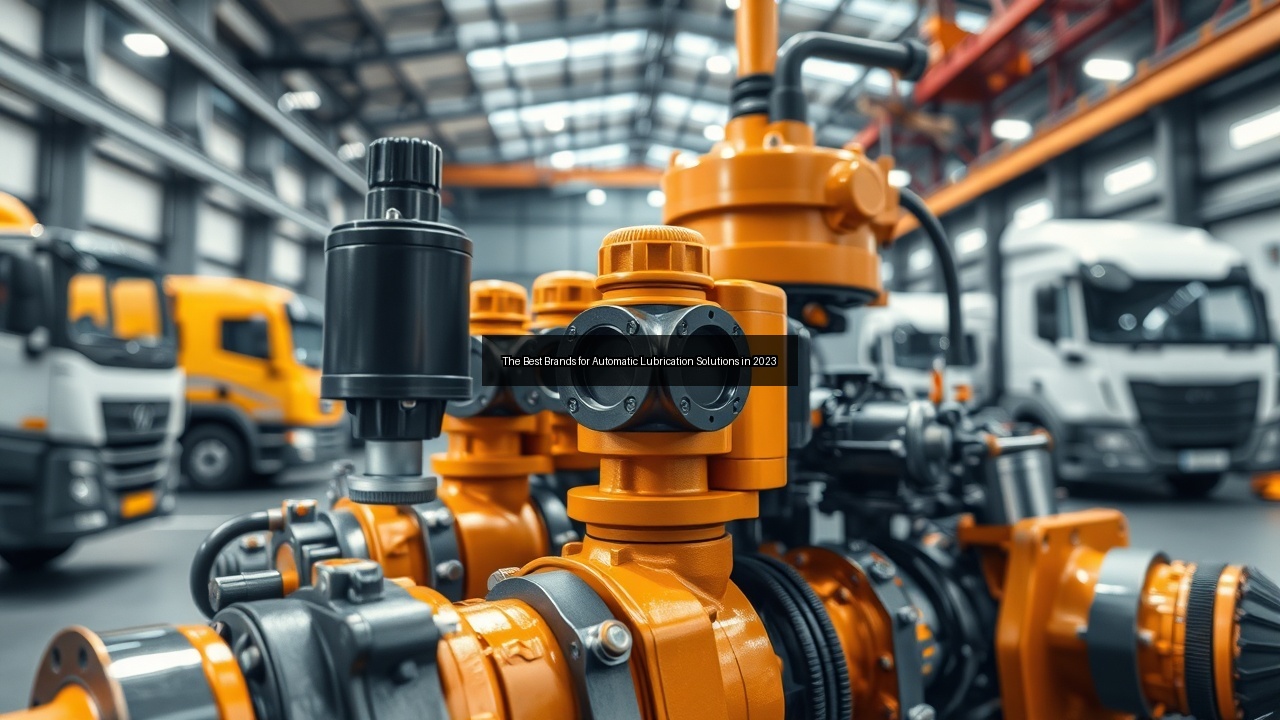
Overview of Automatic Lubrication Systems
Understanding Automatic Lubrication
Automatic lubrication systems, often referred to as auto lube systems, play a critical role in modern industrial applications. These systems deliver a consistent supply of lubricant to machinery, ensuring that components like bearings, gears, and pumps operate smoothly. The primary function of an automatic lubrication system is to maintain optimal lubrication levels, thereby reducing friction and wear in moving parts. This proactive approach to lubrication minimizes the risk of equipment failure and enhances overall reliability. In industries where downtime translates to significant financial losses, adopting an automated lubrication system becomes essential for maintaining operational efficiency.
Key Components of Lubrication Systems
Understanding the architecture of an automatic lubrication system helps in appreciating its effectiveness. Key components include the lubricant pump, which dispenses the lubricant at predetermined intervals and quantities, and the lubricators, which ensure even distribution across various machinery points. Additionally, connectors and tubing direct the lubricant precisely where needed, while pressure sensors and controls monitor the system’s functionality. Greasers and spray nozzles may also be integrated into the system for targeted lubrication applications. Each component works in harmony to reduce maintenance costs and extend equipment life, making it an indispensable asset in any industrial setting.
Benefits of Automated Lubrication
The benefits of implementing an automatic lubrication system are numerous. First and foremost, these systems enhance equipment reliability by providing consistent and accurate lubrication, which reduces the risk of premature wear and failure. This consistency leads to lower repair and maintenance costs over time. Furthermore, automated lubrication minimizes human error, as it eliminates the need for manual lubrication schedules that can be easily overlooked. The ability to monitor lubrication conditions in real-time also allows for timely interventions, thereby optimizing maintenance strategies. Overall, the advantages of automated lubrication extend beyond mere convenience, driving operational efficiency and productivity in various industries.
Top Brands for Automatic Lubrication Solutions in 2023
Brand A: Leading the Market with Innovation
Brand A stands out as a premier provider of automatic lubrication solutions, known for its innovative approach and advanced technology. The company specializes in creating high-performance lubrication systems that cater to various industrial needs. Their automatic lube systems integrate condition monitoring features, allowing users to track lubricant levels and system performance in real-time. This proactive monitoring capability enhances equipment reliability and minimizes downtime. Additionally, Brand A focuses on sustainability, offering lubricants that meet stringent environmental standards. Their commitment to research and development ensures that they remain at the forefront of lubrication technology, consistently providing solutions that meet the evolving needs of their customers.
Brand B: Reliability and Performance
Brand B has built a reputation for delivering reliable and high-performance automatic lubrication systems. Their products are designed for robust applications, such as trucks and trailers, automatic lube systems where durability and efficiency are paramount. Brand B's systems utilize advanced pump technology to ensure precise lubricant delivery, which significantly reduces the wear and tear on critical components. Customers appreciate the brand's focus on user-friendly designs, making installation and maintenance straightforward. With a strong emphasis on quality control and customer satisfaction, Brand B remains a trusted choice among industries that prioritize equipment longevity and performance.
Brand C: Cost-Effective Solutions
For businesses seeking budget-friendly options without compromising quality, Brand C offers a range of cost-effective automatic lubrication solutions. Their systems are designed to be highly efficient, delivering the right quantity of lubricant to various machinery components while minimizing waste. Brand C’s automatic grease systems are particularly popular among small to medium-sized enterprises looking to optimize maintenance costs. The brand emphasizes simplicity in its designs, ensuring that even those new to lubrication technology can implement their systems easily. By providing affordable yet effective lubrication solutions, Brand C supports businesses in maintaining operational efficiency while managing their bottom line.
Applications and Industries Utilizing Automatic Lubrication
Data Centers: Ensuring Equipment Reliability
Data centers rely heavily on automated lubrication systems to maintain the operational efficiency of critical equipment. Cooling systems, servers, and backup generators require consistent lubrication to prevent overheating and mechanical failure. An automatic lubrication system in a data center ensures that fans, bearings, and compressors receive the correct quantity of lubricant at all times. This consistency not only enhances equipment reliability but also minimizes maintenance interventions. By integrating lubrication technology into their infrastructure, data centers can maintain optimal performance levels, ensuring uninterrupted service and safeguarding sensitive data.
Trucks and Trailers: Enhancing Maintenance Efficiency
In the transportation industry, trucks and trailers benefit significantly from automatic lubrication systems. These systems provide continuous lubrication for moving parts, such as axles and wheel bearings, reducing auto lube system the frequency of manual maintenance. Implementing an automatic lube system in trucks enhances maintenance efficiency, allowing fleet operators to focus on logistics rather than repairs. The reduction in maintenance costs and downtime translates to improved productivity and profitability for transportation companies. With the ability to monitor lubrication status remotely, fleet managers can ensure that all vehicles are operating smoothly, thereby extending their lifespan and performance.
Compressors: Optimizing Performance with Lubrication
Compressors play a vital role in various industrial applications, and maintaining their efficiency hinges on proper lubrication. Automatic lubrication systems optimize compressor performance by ensuring that the right lubricant reaches critical components, such as bearings and gears, even under heavy loads. This precision prevents overheating and reduces wear, enhancing the compressor's lifespan. In industries where compressors operate continuously, the advantages of automated lubrication become even more pronounced. Regular lubrication through an automatic system improves operational reliability and minimizes the risk of unexpected breakdowns, contributing to overall process efficiency.
Future Trends in Automatic Lubrication Technology
Condition Monitoring and Predictive Maintenance
The future of automatic lubrication technology leans heavily towards condition monitoring and predictive maintenance. Integrating sensors and IoT technology into lubrication systems allows for real-time data collection on lubricant levels, temperature, and equipment condition. This data enables businesses to adopt predictive maintenance strategies, wherein maintenance actions are based on actual equipment needs rather than scheduled intervals. By anticipating lubricant requirements, companies can reduce waste, lower costs, and enhance equipment performance. This shift towards data-driven maintenance practices signifies a major step forward in how industries approach lubrication and maintenance.
Integration of IoT in Lubrication Solutions
The integration of IoT technology into automatic lubrication systems promises to revolutionize how industries manage lubrication. Connected systems can communicate with central management platforms, providing insights into lubrication status, equipment health, and maintenance schedules. This connectivity enables operators to make informed decisions, optimize lubrication intervals, and react swiftly to potential issues. The ability to remotely monitor lubrication systems enhances operational efficiency, as technicians can address problems before they escalate. As IoT continues to evolve, the potential for smarter lubrication solutions will expand, driving innovation in maintenance practices across various sectors.
Sustainability in Lubrication Practices
Sustainability is becoming a central focus in lubrication practices. Companies increasingly seek automatic lubrication systems that utilize eco-friendly lubricants and minimize waste. Sustainable lubrication solutions not only comply with environmental regulations but also enhance brand reputation among environmentally conscious consumers. Innovations such as biodegradable lubricants and systems designed for optimal lubricant conservation are gaining traction. By adopting sustainable practices, industries can reduce their environmental footprint while maintaining high standards of equipment performance. The future of lubrication technology will undoubtedly prioritize eco-friendly solutions, aligning operational efficiency with corporate responsibility.